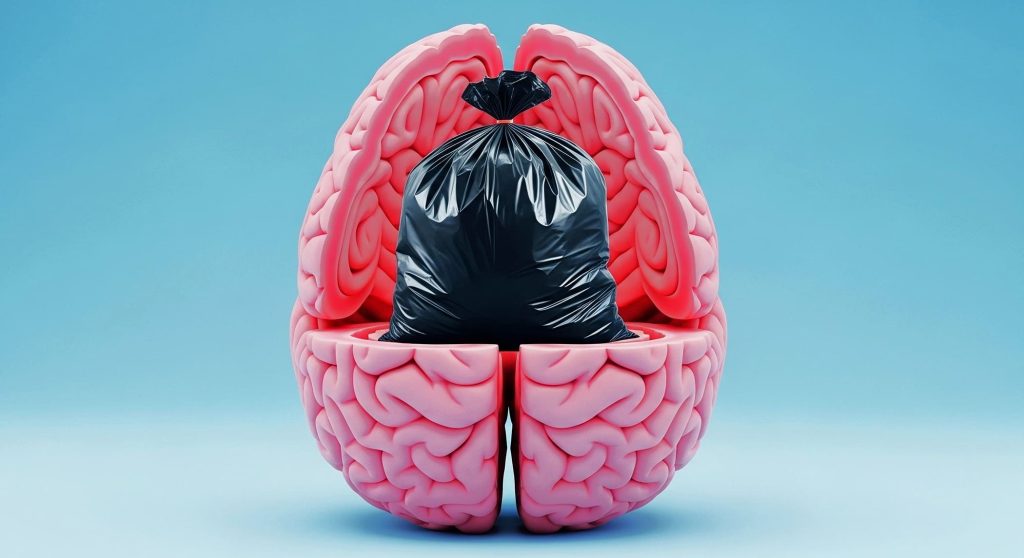
In a world where constant deadlines, digital connectivity and life’s pressures never fully switch off, chronic stress has become a silent disruptor of men’s sexual health. When stress persists day after day—from workplace burnout to financial strain or caregiving responsibilities—it can affect sleep, mood, and heart health and significantly impact sexual wellness.
Stress does not exist only in the mind. It creates real, measurable biological changes. When stress becomes chronic, the body shifts into survival mode. The brain signals the release of cortisol—the primary stress hormone—preparing the body to respond to perceived threats. In short bursts, this response is helpful. Over time, elevated cortisol can interfere with testosterone production and the delicate blood-flow mechanisms required for healthy erections.
At a biological level, enduring stress activates the hypothalamic-pituitary-adrenal axis, raising cortisol levels and shifting the body from “reproductive mode” toward survival. Sustained cortisol release can lower testosterone production and interfere with neurovascular processes essential for libido and erectile function. This hormonal and physiological imbalance is increasingly recognized in sexual medicine as a genuine risk factor.
Emerging clinical research supports this connection. In the May 2025 issue of The Journal of Sexual Medicine, investigators studied men with psychogenic erectile dysfunction and found a strong negative correlation between perceived stress and erectile function—higher stress was linked with worse erectile performance. Fatigue served as a mediating factor, suggesting that stress-related exhaustion contributes meaningfully to sexual dysfunction.
Several lifestyle strategies may help reduce the impact of chronic stress on sexual health. These include prioritizing restorative sleep, engaging in regular physical activity, practicing stress-reduction techniques like mindfulness or breathwork, and maintaining open communication with a partner.
For men experiencing stress-related sexual changes, improvement often begins with validation and integration: acknowledging the biological impact of stress, understanding that sexual function is deeply tied to overall well-being and addressing stress through mind-body approaches.
By recognizing the powerful link between stress and sexual function, men can move from frustration and self-doubt toward informed action. Addressing stress isn’t only about improving performance—it’s about restoring energy, confidence and connection in everyday life and in the bedroom.
Jerry Garcia is the medical director, Raymond Wohl is the patient care coordinator, and Dr. Arturo Salgado and Dr. Pedro Azcona are assistants to the medical director for men’s medical consultations and treatments at Chicago Male Clinic, located at 4801 W. Peterson Ave., Ste. 506, in Chicago. For more information or to make an appointment, call 773-414-9900 or visit ChicagoMaleClinic.com.