Non-native invasive species management is an essential part of restoration at Midewin National Tallgrass Prairie. As part of the MidewinNational Tallgrass Prairie Silver Anniversary cele ations, at 6 p.m., March 3, a panel of staff members with Midewin NTP will talk about prairie restoration tools and techniques that have been essential to restoration in the past 25bryears at Midewin National Tallgrass Prairie – including invasive species management.
At one time, prairies dominated the state of Illinois. After nearly 200 years, less than .01 of one percent of tallgrass prairie remains. Now teams of dedicated conservationists, citizen scientists and more are volunteering their time and making a difference in the fight against non-native invasive plants. They want native Illinois prairie plants to have a chance to grow again.
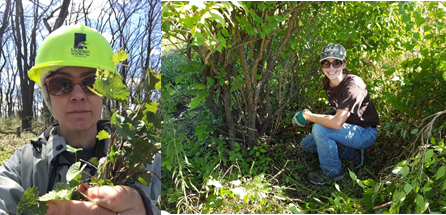
Volunteers, partners and staff at Midewin are involved year-round cutting honeysuckles and other brush plants, applying herbicides, pulling invasive plants by hand and more in an effort to increase and improve habitat for grassland birds and other species. Some plant species targeted in recent years have included autumn olive; cattails; garlic mustard; honeysuckle;brmultiflora roses; phragmites (also known as giant reed); reed canary grass;brteasels; and willows.
These plants and more are featured in this guide by the USDAForest Service and the Midewin Interpretive Association: visit https://www.fs.usda.gov/Internet/FSE_DOCUMENTS/stelprdb5201025.pdf.
More information is available on the Midewin NTP website: visit https://www.fs.usda.gov/detail/midewin/learning/nature-science/?cid=stelprdb5156738.
To register, email [email protected] or call:br815-423-6370. (virtual Program; closed captioning service will be provided).